Tile Installation Costs 2025
Written by webtechs

Tile Installation Costs 2024

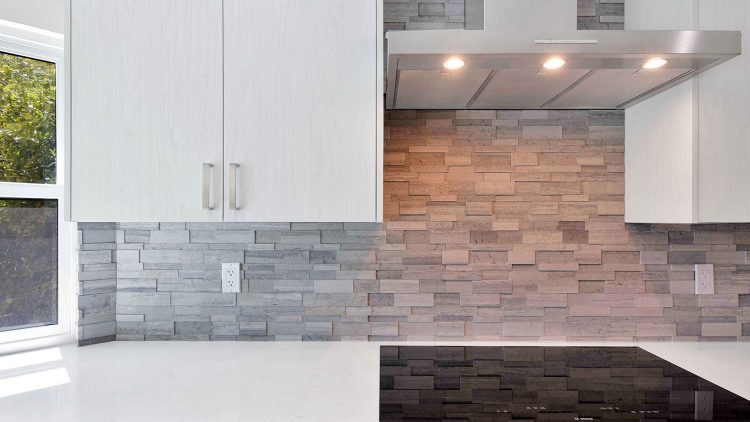
The cost of tile installation can vary based on several factors, including the type of tile, the size of the area, the complexity of the installation, and your geographic location. Here’s a detailed breakdown of what you might expect in terms of costs:

Factors Influencing Tile Installation Costs:

  1. Type of Tile:
    • Ceramic Tile: Generally more affordable.
    • Porcelain Tile: More durable and slightly more expensive than ceramic.
    • Natural Stone Tile: Includes materials like marble, granite, travertine, and slate, which can be significantly more expensive.
    • Glass Tile: Typically used for backsplashes and decorative elements, can be more expensive.
  2. Tile Size and Shape: Larger tiles can sometimes be more expensive to install due to the need for precision and potentially more waste. Intricate shapes or mosaics also increase labor costs.
  3. Installation Complexity: Complex patterns (e.g., herringbone, chevron) and additional features (e.g., inlays, borders) can increase labor costs.
  4. Preparation and Subfloor: Costs may increase if the subfloor needs significant preparation or repair.
  5. Geographic Location: Labor costs vary by region, with urban areas typically having higher rates than rural areas.
  6. Additional Materials: Grout, sealant, underlayment, and other materials add to the overall cost.

Cost Estimates:

Material Costs:

  • Ceramic Tile: $1 – $7 per square foot
  • Porcelain Tile: $3 – $10 per square foot
  • Natural Stone Tile: $5 – $30+ per square foot
  • Glass Tile: $7 – $30 per square foot

Installation Costs:

  • Labor: $4 – $15 per square foot, depending on complexity and region

Additional Costs:

  • Subfloor Preparation: $1 – $5 per square foot, depending on the condition of the existing floor
  • Grout and Sealant: $0.50 – $2 per square foot
  • Removal of Old Flooring: $1 – $3 per square foot

Example Total Costs:

Example 1: Ceramic Tile Installation

  • Material: $3 per square foot
  • Labor: $5 per square foot
  • Additional Costs (grout, sealant, etc.): $1.50 per square foot
  • Total: $9.50 per square foot
  • For a 200-square-foot area: $1,900

Example 2: Porcelain Tile Installation

  • Material: $7 per square foot
  • Labor: $8 per square foot
  • Additional Costs: $1.50 per square foot
  • Total: $16.50 per square foot
  • For a 200-square-foot area: $3,300

Example 3: Natural Stone Tile Installation

  • Material: $15 per square foot
  • Labor: $10 per square foot
  • Additional Costs: $2 per square foot
  • Total: $27 per square foot
  • For a 200-square-foot area: $5,400

Tips for Managing Costs:

  1. Get Multiple Quotes: Obtain quotes from several contractors to compare prices and services.
  2. Choose a Simple Pattern: Less complex patterns can reduce labor costs.
  3. DIY: If you have the skills, doing the installation yourself can save money. However, proper installation is crucial to avoid future issues.
  4. Buy in Bulk: Purchasing tiles in bulk or during sales can reduce material costs.
  5. Plan for Waste: Order extra tiles to account for cuts and waste, typically 10-15% more than the area to be covered.
  6. Consider Long-Term Value: Higher-quality materials might be more expensive initially but can offer better durability and lower maintenance costs over time.

By carefully considering these factors and planning your budget, you can achieve a beautiful tile installation that fits your financial constraints.

GET A TILE INSTALLATION QUOTE IN MESA HERE!

[/vc_column_text]

Are you thinking about installing tile in Mesa, Arizona? MK Remodeling offers professional and affordable remodeling services including kitchen remodeling and bathroom remodeling in many areas of the Phoenix, Arizona area.

[/vc_column][/vc_row]

Hardwood Flooring Costs 2025
Written by webtechs

Hardwood Flooring Costs 2024

The cost of hardwood flooring can vary widely based on several factors, including the type of wood, the quality, the installation method, and your location. Here’s a detailed breakdown of what you might expect in terms of costs:

Factors Influencing Hardwood Flooring Costs:

  1. Type of Wood: Different species of hardwood vary in price. Common types include oak, maple, cherry, and more exotic species like mahogany or Brazilian cherry.
  2. Grade of Wood: The quality or grade of the wood affects the price. Higher grades have fewer knots and imperfections and a more uniform appearance.
  3. Plank Size: Wider planks can be more expensive than narrower ones.
  4. Finish: Pre-finished wood flooring is generally more expensive than unfinished wood, but it saves on finishing costs during installation.
  5. Installation Method: The complexity of the installation (e.g., floating, nail-down, glue-down) and whether you hire a professional can impact the cost.
  6. Location: Costs can vary by region due to differences in labor rates and material availability.
  7. Subfloor Preparation: Additional costs may be incurred if the subfloor needs to be repaired or leveled.
  8. Additional Materials: Costs for underlayment, moldings, and transition strips can add to the overall expense.

Cost Estimates:

Material Costs:

  • Low-End Options: $3 – $5 per square foot (e.g., domestic hardwoods like red oak or maple).
  • Mid-Range Options: $5 – $10 per square foot (e.g., higher-grade oak, hickory, or cherry).
  • High-End Options: $10 – $20+ per square foot (e.g., exotic species like Brazilian cherry, mahogany, or teak).

Installation Costs:

  • Professional Installation: $3 – $8 per square foot, depending on the complexity and region.
  • DIY Installation: You can save on labor costs, but you’ll need to consider the cost of tools, materials, and your time.

Additional Costs:

  • Subfloor Preparation: $1 – $2 per square foot if significant work is required.
  • Underlayment: $0.50 – $1 per square foot.
  • Removal of Old Flooring: $1 – $2 per square foot.
  • Finishing (if using unfinished wood): $2 – $5 per square foot.

Example Total Costs:

Example 1: Low-End Installation

  • Material: $4 per square foot
  • Installation: $4 per square foot
  • Total: $8 per square foot
  • For a 500-square-foot room: $4,000

Example 2: Mid-Range Installation

  • Material: $7 per square foot
  • Installation: $5 per square foot
  • Total: $12 per square foot
  • For a 500-square-foot room: $6,000

Example 3: High-End Installation

  • Material: $15 per square foot
  • Installation: $7 per square foot
  • Total: $22 per square foot
  • For a 500-square-foot room: $11,000

Tips for Managing Costs:

  1. Get Multiple Quotes: Obtain quotes from several contractors to compare prices and services.
  2. Consider Engineered Wood: If cost is a concern, engineered hardwood can be a more affordable alternative to solid hardwood.
  3. DIY Installation: If you have the skills and tools, installing the flooring yourself can save money.
  4. Buy in Bulk: Purchasing materials in bulk or during sales can reduce the overall cost.
  5. Choose Pre-Finished Wood: This can save on installation time and finishing costs.

By carefully considering these factors and planning your budget, you can achieve the beautiful look of hardwood flooring while managing the costs effectively.

GET A HARDWOOD FLOORING INSTALLATION QUOTE IN MESA HERE!

[/vc_column_text]

Are you thinking about installing hardwood flooring in Mesa, Arizona? MK Remodeling offers professional and affordable flooring installationbathroom remodels, and kitchen remodeling services in many areas of the Phoenix, Arizona area.

[/vc_column][/vc_row]

Kitchen Backsplash Installation Costs 2026
Written by webtechs

Kitchen Backsplash Installation Costs 2024

GET A KITCHEN BACKSPLASH INSTALLATION QUOTE IN MESA TODAY!

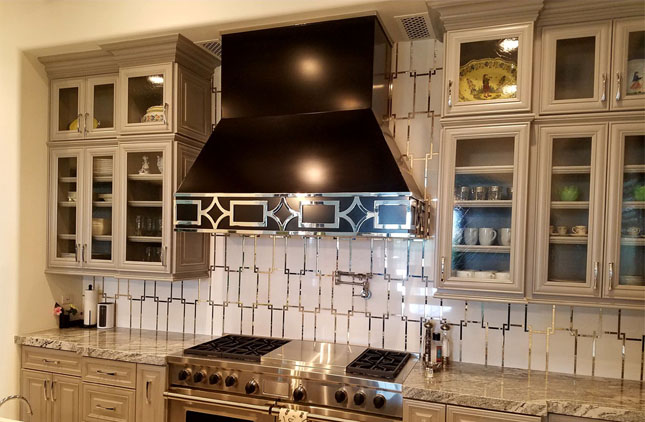
The cost of installing a kitchen backsplash can vary based on several factors including the type of material, the complexity of the design, the size of the backsplash area, and labor costs in your area. Here’s a detailed breakdown of potential costs:

Cost Breakdown

  1. Materials:
    • Ceramic or Porcelain Tiles: $5 – $25 per square foot
    • Glass Tiles: $7 – $30 per square foot
    • Natural Stone Tiles (marble, granite, etc.): $10 – $50 per square foot
    • Metal Tiles (stainless steel, copper, etc.): $15 – $50 per square foot
    • Peel-and-Stick Tiles: $3 – $10 per square foot
    • Mosaic Tiles: $8 – $50 per square foot
  2. Labor:
    • Labor costs can vary greatly depending on your location and the complexity of the installation. On average, expect to pay between $40 and $100 per hour for professional installation.
    • Standard installation: $10 – $20 per square foot
    • Complex designs or patterns: $20 – $30 per square foot
  3. Additional Costs:
    • Grout and Sealant: $1 – $3 per square foot
    • Adhesive: $0.50 – $1.50 per square foot
    • Surface Preparation: $1 – $3 per square foot (if the wall needs extra prep work)
    • Removal of old backsplash: $2 – $5 per square foot

Total Cost Estimate

For a standard kitchen backsplash area of 30 square feet, the total cost can be estimated as follows:

  1. Ceramic or Porcelain Tile Backsplash:
    • Materials: $150 – $750
    • Labor: $300 – $600
    • Additional Costs: $60 – $225
    • Total: $510 – $1,575
  2. Glass Tile Backsplash:
    • Materials: $210 – $900
    • Labor: $300 – $600
    • Additional Costs: $60 – $225
    • Total: $570 – $1,725
  3. Natural Stone Tile Backsplash:
    • Materials: $300 – $1,500
    • Labor: $300 – $600
    • Additional Costs: $60 – $225
    • Total: $660 – $2,325
  4. Metal Tile Backsplash:
    • Materials: $450 – $1,500
    • Labor: $300 – $600
    • Additional Costs: $60 – $225
    • Total: $810 – $2,325
  5. Peel-and-Stick Tile Backsplash:
    • Materials: $90 – $300
    • Labor: $300 – $600 (less likely needed due to DIY nature)
    • Additional Costs: $60 – $225
    • Total: $450 – $1,125

Factors Affecting Cost

  • Complexity of Design: Intricate patterns, mosaics, or custom designs will increase labor costs.
  • Wall Condition: If the wall requires significant preparation or repair before installation, costs will be higher.
  • Geographic Location: Labor costs vary by region; urban areas tend to have higher rates than rural areas.
  • Professional vs. DIY: Opting for a DIY installation can save on labor costs but requires time, skill, and the right tools.

Conclusion

The cost of installing a kitchen backsplash varies widely based on material choice and complexity. For a typical kitchen backsplash, you can expect to spend anywhere from $450 to $2,325, including materials, labor, and additional costs. For a more accurate estimate, consider getting multiple quotes from local contractors.


Are you thinking about installing a kitchen backsplash in Mesa, Arizona? MK Remodeling offers professional and affordable kitchen backsplash installation services in many areas of the Phoenix, Arizona area.

Cabinet Installation Costs 2026
Written by webtechs

Cabinet Installation Costs 2024

Cabinet installation costs in 2024 can vary based on factors such as the size of the project, the type and quality of cabinets selected, the complexity of the installation, and the location. Here’s a breakdown of potential costs:

  1. Cost of Cabinets: The primary cost component is the cabinets themselves. The price can vary significantly depending on factors such as the material, style, brand, and features. Stock cabinets are generally the most affordable option, ranging from $50 to $200 per linear foot. Semi-custom cabinets offer more options and typically range from $150 to $650 per linear foot. Custom cabinets, which are tailored to specific requirements, can range from $500 to $1,500 per linear foot or more.
  2. Labor Costs: Labor costs for cabinet installation can vary based on the complexity of the project, the number of cabinets to be installed, and any additional work required, such as removal of existing cabinets or modifications to accommodate new ones. On average, professional cabinet installation labor costs can range from $50 to $150 per hour. A full kitchen cabinet installation can take anywhere from 1 to 3 days, depending on the size and complexity of the project.
  3. Additional Materials and Supplies: In addition to cabinets and labor, there may be additional costs for materials and supplies such as screws, nails, adhesives, and finishing materials. These costs are generally minimal compared to the cost of the cabinets and labor but should still be factored into the overall budget.
  4. Location: The cost of cabinet installation can also vary depending on the location and local market conditions. Labor rates may be higher in areas with a higher cost of living or where skilled tradespeople are in high demand.
  5. Design and Planning: If you’re working with a designer or contractor to plan your cabinet installation, there may be additional costs associated with their services. Design fees can vary depending on the scope of the project and the level of customization required.

Overall, the total cost of cabinet installation in 2024 can vary widely depending on the factors mentioned above. It’s essential to obtain quotes from multiple contractors or cabinet suppliers, carefully review the details of each proposal, and consider factors such as quality, experience, and reputation before making a decision.

GET A CABINET INSTALLATION QUOTE IN MESA TODAY!

[/vc_column_text]

Thinking about installing new cabinets in Mesa, Arizona. MK Remodeling offers professional and affordable cabinet installation services in many areas of the Phoenix, Arizona valley.

[/vc_column][/vc_row]

Custom Commercial Doors Costs Arizona 2026
Written by webtechs

Custom Commercial Doors Costs 2024

Custom Commercial Doors Costs Arizona 2026

Custom commercial doors can vary greatly in cost depending on a number of factors. Here’s a breakdown to give you a general idea:

  • Material:
    • Basic steel doors start around $350 but don’t offer much customization [1].
    • More unique materials like glass, aluminum, or wood will increase the price.
    • Specialty materials with fire ratings or high security features will be even more expensive.
  • Size and Complexity: Larger doors and those with intricate designs will naturally cost more.
  • Hardware: The type of lockset, door closers, handles, and other hardware will influence the price.
  • Installation: Labor costs can vary depending on your location and the complexity of the installation.

Here’s a ballpark range for custom commercial door costs:

  • Basic custom door with standard installation: ~$500 – $2,500
  • More elaborate doors with specialty materials and hardware: $2,500 – $10,000+

Wood Commercial Doors Costs

  • Generally, wood commercial doors range from $183 to $460 depending on the level of finish and features . Here’s a more specific range based on the finish:
    • Paint grade wood door: Starting at $183
    • Stain grade wood door: Starting at $300
    • Prefinished wood door: Various color & grain options, starting at $460

Aluminum Commercial Doors Costs

Aluminum commercial doors are a popular choice for businesses due to their durability, low maintenance, and affordability compared to other materials like wood. Here’s a breakdown of what you can expect to pay for aluminum commercial doors:

Price Range:

  • Generally, aluminum commercial doors range from $1,100 to $5,300+ depending on size, complexity, and features [1, 2, 3].

Factors Affecting Costs:

  • Size: Larger doors will naturally cost more than smaller ones.
  • Door Type: Single swinging doors are less expensive than double doors or more complex configurations.
  • Glass: Adding glass panels increases the price. Tempered glass for safety will be more expensive than regular glass.
  • Finish: Anodized aluminum is a common and affordable finish, while custom painted finishes will cost more.
  • Features: Features like thermal breaks for insulation, high-security locks, or self-closing mechanisms will add to the cost.
  • Installation: Labor costs can vary depending on your location and the complexity of the installation.

Examples of Aluminum Commercial Door Costs:

  • Commercial Aluminum Storefront Door (Single door, clear anodized finish, no glass included): This basic door starts around $1,105.
  • Commercial Aluminum Storefront Double Door, Frame & 2 Closers (Double doors, pre-assembled with frame and closers, no glass included): This pre-assembled option starts around $1,166.
  • Commercial Storefront Door and Frame (Single door with frame, clear anodized finish, no glass included): This pre-assembled door and frame starts around $5,275.51. This is on the higher end because it’s a wider style door with a potentially sturdier build.

Glass Commercial Doors Costs

Glass commercial doors are a popular choice for businesses due to their sleek look and ability to provide natural light. They can range in price depending on a number of factors, here’s a breakdown to give you an idea:

Price Range:

  • A typical range for glass commercial doors falls between $800 and $2,500 [1]. However, it can go much higher depending on customization.

Factors Affecting Costs:

  • Door Type:
    • Swinging glass doors tend to be on the lower end of the range [$1].
    • Sliding glass doors can cost more due to the additional hardware required [2].
  • Glass Type:
    • Tempered safety glass is standard and adds to the cost compared to regular glass [2].
    • Specialty glass like insulated glass for better climate control will increase the price further [2].
  • Size: Larger doors will naturally cost more than smaller doors.
  • Frame Material: Aluminum frames are common and affordable, while stainless steel or wood frames will cost more [2].
  • Features:
    • Automatic door openers add significant cost [2].
    • Self-closing mechanisms or additional hardware will also increase the price [2].
  • Installation: Labor costs can vary depending on your location and the complexity of the installation.

Examples of Glass Commercial Door Costs:

  • Commercial Glass Door, 36 in. x 80 in. Right Hand Welded Heavy Duty Storefront Door and Frame, Clear Anodized Finish, Includes Tempered Clear 1 in. Insulated Glass (Automatic Door and Hardware): This pre-assembled door with tempered insulated glass is on the higher end at $4,490.02, likely due to its size and pre-assembled nature..
  • Glass Door For Commercial Building (Door Closers USA): This basic swinging glass door with a tempered glass panel starts around $1,105.40, which is on the lower end.
  • Pre-finished vs. unfinished: Prefinished doors are more expensive but save you time and effort on finishing them yourself.
  • Solid core vs. hollow core: Solid core doors are more soundproof and secure but also more expensive than hollow core doors.
  • Fire ratings: Wood fire doors are more expensive than standard wood doors.
  • Glass inserts: Doors with glass inserts will cost more than solid wood doors.
  • Customization: Custom sizes, designs, or specialty woods will increase the price.
  • Hardware: The type of lockset, door closers, handles, and other hardware will influence the price.
  • Installation: Labor costs can vary depending on your location and the complexity of the installation.

Examples of Wood Commercial Door Costs:

  • EightDoors 80 inch x inchx 1-3/4 inch 2-Panel Shaker White Primed Solid Wood Core Door: This door is paint grade, meaning it’s ready to be painted your desired color. It costs around $248 to $257.85.
  • Trudoor Stain Grade Wood Door: This unfinished door allows you to choose your own stain color. Prices start at $300.

For a more accurate estimate, it’s always best to get quotes from commercial door companies in your area. Here are some tips for getting the best price:

  • Be clear about your needs: The more specific you are about the size, style, and features you want, the more accurate your quotes will be.
  • Get multiple quotes: Don’t settle for the first quote you receive. Get quotes from several different companies to compare prices.
  • Consider used or refurbished doors: While less common, some companies may sell used or refurbished custom commercial doors at a discount.

GET A DOOR QUOTE IN MESA TODAY!

Are you thinking about installing doors in Mesa, Arizona? MK Remodeling offers professional and affordable remodeling services including kitchen remodeling in many areas of the Phoenix, Arizona area.

0
Interior Barn Doors Costs 2026
Written by webtechs

Interior Barn Doors Costs 2024

Interior Barn Doors Costs 2026

Wood barn doors are the most common and typically range in price from $150 to $500. Metal barn doors are more expensive, ranging from $300 to $700. Vinyl and MDF barn doors are the most affordable option, starting around $100. Read on to learn more.

The cost of interior barn doors can vary depending on factors such as the material, style, size, hardware, and whether they are pre-hung or just the door slab. Here’s a breakdown of potential costs:

1. Material:

  • Wood: Solid wood barn doors are typically more expensive than engineered wood or MDF (medium-density fiberboard) doors due to the quality and durability of the material.
  • Engineered Wood/MDF: These materials are generally more affordable than solid wood but may lack the same aesthetic appeal and durability.

2. Style and Design:

  • Paneled: Paneled barn doors feature horizontal or vertical panels and may have decorative accents. More intricate designs may increase the cost.
  • Slab vs. Z-Frame: Slab doors are simple and flat, while Z-frame doors have a diagonal brace (Z-shape) for added stability and style.

3. Size:

  • Standard vs. Custom: Standard-sized barn doors are more cost-effective than custom sizes, as they require less labor and material.
  • Single vs. Double: Double barn doors (also known as French barn doors) are essentially two doors that meet in the middle and may cost more than a single door due to additional hardware and complexity.

4. Hardware:

  • Track System: The type and quality of the track system (e.g., steel, aluminum) will affect the overall cost.
  • Handles and Accessories: Decorative handles, locks, and other accessories can add to the total cost.

5. Pre-hung vs. Door Slab:

  • Pre-hung: Pre-hung barn doors come with the door already mounted on a frame and hinges, ready for installation. They tend to be more expensive due to the additional labor and materials involved.
  • Door Slab: Door slabs are just the door itself without the frame. They are generally more affordable but require additional installation work.

Cost Estimates:

  • Average Range: Interior barn doors can range from $200 to $1,500 or more per door, depending on the factors mentioned above and the quality of materials and craftsmanship.
  • Specific Factors: For example, a standard-sized engineered wood barn door slab may cost around $200 to $500, while a custom-sized solid wood pre-hung barn door with premium hardware and finishes may cost $800 to $1,500 or more.
  • Installation: Factor in the cost of installation if you’re not installing the doors yourself. Installation costs will vary based on the complexity of the project and labor rates in your area.
  • Shipping: If purchasing online, consider shipping costs, especially for larger or heavier doors

BARN DOOR INSTALLATION IN THE PHOENIX VALLEY

If you have a home, business, restaurant, or other commercial space where you’d like a custom barn door installed, MK Remodeling can help!  We custom build interior barn doors to fit your space, your style, and your budget.  Add some unique flair to your property and visual appeal with a barn door from MK Remodeling. To get a barn door installation quote, please call 480-285-6443.

Master Bathroom Remodel Costs 2026
Written by webtechs

Master Bathroom Remodel Costs 2024

Average Cost of a Master Bathroom Remodel

The average cost of remodeling a master bathroom in the United States is between $10,000 and $25,000. However, this is just a general range, and the actual cost of your remodel will vary depending on a number of factors, such as:

  • The size of your bathroom: Larger bathrooms will naturally cost more to remodel than smaller ones.
  • The scope of the project: Are you planning a simple refresh with new fixtures and finishes, or a complete overhaul with layout changes, plumbing relocation, and high-end materials? The more extensive the project, the higher the cost.
  • The quality of materials: Budget-friendly options like laminate countertops and ceramic tile will keep costs down, while premium materials like granite countertops and marble tile will significantly increase the price tag.
  • Labor costs: Contractor rates can vary depending on experience, reputation, and local market factors.
  • Permits and inspections: Depending on the scope of your project, you may need permits and inspections, which add to the overall cost.

Here’s a breakdown of potential costs for different aspects of your master bathroom remodel:

  • Demolition and removal: $500 – $2,000
  • Plumbing fixtures: $500 – $5,000+
  • Tilework: $2,000 – $10,000+
  • Countertops: $1,000 – $10,000+
  • Cabinetry: $3,000 – $15,000+
  • Shower/tub: $1,000 – $10,000+
  • Lighting and ventilation: $500 – $2,000
  • Flooring: $1,000 – $5,000+

Tips for Saving Money:

  • Set a budget and stick to it.
  • Shop around for materials and contractors.
  • Consider DIY projects for small tasks if you’re handy.
  • Prioritize your must-haves and be flexible on other aspects.
  • Look for deals and discounts on materials and appliances.
  • Finance your project if needed, but compare interest rates carefully.

Resources for Getting Quotes:

  • Local bathroom remodeling contractors
  • Online quote request platforms like HomeAdvisor and Angie’s List
  • Home improvement stores offering design and installation services

Remember, these are just estimates, and the best way to get an accurate quote for your specific master bathroom remodel is to consult with a qualified contractor in your area. They can assess your needs, discuss your options, and provide a detailed estimate based on your project’s unique requirements.

GET A SHOWER REMODELING QUOTE IN MESA TODAY!

Thinking about remodeling your shower in Mesa, Arizona. MK Remodeling offers professional and affordable shower remodeling services in many areas of the Phoenix, Arizona valley including Mesa, Arizona.

Labor Cost to Remove Hardwood Flooring
Written by webtechs

Labor Cost to Remove Hardwood Flooring 2023

The labor cost to remove hardwood flooring can vary depending on several factors, read on to learn more!

Average Cost:

  • Per square foot: $1.50 to $4.00, with most jobs falling between $2.50 and $3.50 per square foot.

Factors affecting cost:

  • Flooring type: Engineered hardwood is generally easier to remove than solid hardwood, so it may cost slightly less.
  • Adhesive type: Floors glued directly to the subfloor take more time and effort to remove, potentially increasing the labor cost.
  • Floor condition: Heavily damaged or warped floors might require special handling, adding to the cost.
  • Square footage: Larger projects often qualify for discounted rates.
  • Disposal fees: Hauling away the removed flooring incurs additional charges.
  • Location and accessibility: Labor costs might be higher in remote areas or if the work involves difficult access.

Additional costs to consider:

  • Subfloor repair: If the removal process damages the subfloor, repairs will be necessary.
  • Furniture removal and protection: Moving furniture and protecting belongings during the process might involve extra charges.

GET A HARDWOOD FLOORING INSTALLATION QUOTE IN MESA HERE!

Are you thinking about installing hardwood flooring in Mesa, Arizona? MK Remodeling offers professional and affordable flooring installationbathroom remodels, and kitchen remodeling services in many areas of the Phoenix, Arizona area.

Do Gas Ranges Need To Be Vented?
Written by webtechs

Do Gas Ranges Need To Be Vented?

Do Gas Ranges Need To Be Vented?

Yes, gas ranges should be vented to ensure the safe and proper operation of the appliance. Ventilation for gas ranges serves several important purposes:

  1. Removal of Combustion Byproducts: Gas ranges produce combustion byproducts, including carbon monoxide (CO) and nitrogen dioxide (NO2), which can be harmful if not properly vented. Ventilation helps remove these potentially dangerous gases from the kitchen.
  2. Heat and Steam Venting: Gas ranges generate heat and steam when cooking, and proper ventilation helps remove excess heat and moisture from the cooking area, creating a more comfortable kitchen environment.
  3. Odor and Smoke Removal: Ventilation helps dissipate cooking odors and smoke, preventing them from accumulating in the kitchen and throughout the home.
  4. Grease and Particulate Filtration: Range hoods often come equipped with grease filters and sometimes charcoal filters to capture grease and cooking particulates, improving indoor air quality.

There are two primary methods for venting a gas range:

  1. Range Hood with Exhaust Fan: The most common and effective method is to use a range hood equipped with an exhaust fan. Range hoods come in various styles, including wall-mounted, under-cabinet, island, and downdraft hoods. The exhaust fan in the range hood draws in the cooking byproducts and expels them outside the home. Make sure the range hood is appropriately sized for your range and kitchen space to ensure efficient ventilation.
  2. Overhead Ventilation System: In some kitchens, an overhead ventilation system may be installed above the gas range. These systems typically consist of a canopy or exhaust hood that captures and removes cooking byproducts. The captured air is then ducted to the outside through a vent or chimney.

When installing or using a range hood or ventilation system for a gas range, it’s important to follow local building codes and manufacturer guidelines. Regular maintenance, such as cleaning filters and inspecting ductwork for blockages, is also crucial to maintain efficient and safe ventilation.

Ventilation is essential not only for safety but also for the overall comfort and air quality in the kitchen. Properly venting a gas range helps ensure that your cooking area remains a healthy and pleasant environment.

What Is Carbon Monoxide

arbon monoxide (CO) is a colorless, odorless, and tasteless gas that is produced when carbon-containing fuels, such as wood, gasoline, natural gas, and propane, do not burn completely. It is often referred to as the “silent killer” because it can be highly toxic and pose significant health risks when inhaled. Here are some key points about carbon monoxide:

  1. Toxicity: Carbon monoxide is toxic to humans and animals when inhaled. It interferes with the body’s ability to transport oxygen in the blood, which can lead to oxygen deprivation in vital organs, particularly the brain and heart.
  2. Sources: Common sources of carbon monoxide in the home include gas stoves, gas furnaces, wood-burning stoves, fireplaces, gas-powered generators, and vehicles running in enclosed spaces (such as a garage). Malfunctioning or poorly maintained heating systems are a frequent source of carbon monoxide leaks.
  3. Symptoms of Carbon Monoxide Poisoning: Exposure to carbon monoxide can lead to symptoms that include headache, dizziness, weakness, nausea, vomiting, confusion, shortness of breath, and loss of consciousness. Prolonged exposure can be life-threatening.
  4. Prevention: To prevent carbon monoxide poisoning, it’s essential to ensure that fuel-burning appliances and equipment are correctly installed and maintained. Adequate ventilation, proper venting of exhaust gases, and the use of carbon monoxide detectors in the home are critical for safety.
  5. Carbon Monoxide Detectors: Carbon monoxide detectors are designed to alert occupants to the presence of carbon monoxide in the air. They emit an alarm when carbon monoxide levels reach a certain threshold, allowing people to evacuate the area and seek fresh air.
  6. Treatment: If someone is experiencing symptoms of carbon monoxide poisoning or a carbon monoxide alarm sounds, it is crucial to move to an area with fresh air immediately and seek medical attention. Treatment may involve administering oxygen to restore oxygen levels in the blood.
  7. Legal Requirements: In many regions, there are legal requirements for the installation of carbon monoxide detectors in residential and commercial buildings. Regulations may specify the number and placement of detectors to ensure safety.
  8. Carbon Monoxide Emissions: Carbon monoxide emissions are a concern from both an indoor and outdoor air quality perspective. Incomplete combustion in vehicles and industrial processes can contribute to elevated levels of carbon monoxide in the atmosphere, leading to air pollution and potential health problems.

What Is Nitrogen Dioxide?

Nitrogen dioxide (NO2) is a reddish-brown gas that is one of several nitrogen oxides (NOx) commonly found in the Earth’s atmosphere. It plays a significant role in air pollution and can have adverse effects on both human health and the environment. Here are some key points about nitrogen dioxide:

  1. Chemical Composition: Nitrogen dioxide (NO2) is a chemical compound consisting of one nitrogen atom (N) and two oxygen atoms (O). It has the molecular formula NO2.
  2. Formation: Nitrogen dioxide is primarily formed during high-temperature combustion processes, such as those occurring in vehicles, power plants, and industrial facilities. It is a byproduct of the combustion of fossil fuels, including gasoline, diesel, and natural gas.
  3. Air Pollution: Nitrogen dioxide is a common air pollutant and is a key component of nitrogen oxides (NOx) emissions. High levels of nitrogen dioxide in the atmosphere contribute to air pollution, which can have detrimental effects on air quality and human health.
  4. Health Effects: Inhalation of nitrogen dioxide can have adverse health effects, particularly on the respiratory system. Short-term exposure can lead to respiratory symptoms like coughing, wheezing, and shortness of breath, while long-term exposure can worsen conditions such as asthma and increase the risk of respiratory infections.
  5. Environmental Impact: Nitrogen dioxide is a contributor to acid rain and can lead to the acidification of soil and water bodies. It can also react with other air pollutants to form ground-level ozone, which is a major component of smog and contributes to poor air quality.
  6. Regulation: Many countries and regions have established regulations to limit the emissions of nitrogen dioxide and other nitrogen oxides from industrial and transportation sources to improve air quality and protect public health.
  7. Detection and Monitoring: Nitrogen dioxide levels are monitored through air quality measurement stations and networks, and they can be measured using specialized instruments like chemiluminescent analyzers. The data collected from these monitoring efforts help track air quality and assess compliance with air quality standards.
  8. Indoor Sources: While nitrogen dioxide is primarily associated with outdoor air pollution, it can also be present in indoor environments. Sources of indoor nitrogen dioxide include gas stoves, heating appliances, and tobacco smoke.


When To Use The Vent

Usually, we only turn on the vent in situations where something is burning – in short, we only think it should be used when something has gone wrong. That is not the case. Whenever we cook food, particles of smoke, grease, water, and food are sent into the air. These particles are capable of landing anywhere and will start to accumulate on floors, fabrics, and furniture. Undoubtedly, once it has accumulated the grime damages the surfaces and finishes of your home.

The particles, once they have been dispersed, tend to produce an odor over time. That is why it is important to vent whenever you use a gas range. Healthwise, it is also significant. Venting is crucial because anytime you sear or cook, even smaller, ultra-fine particles enter into the atmosphere. These particles are not just standard food particles but they mesh with other chemicals present in the air and can produce a heavily induced chemical atmosphere that is unsafe to breathe.

Venting With Gas Ranges

Nitrogen dioxide is a product of most gas flames. In total combustion, we just get carbon dioxide and water – most of the time, however, the combustion is incomplete. Elevated concentration of nitrogen dioxide is a major cause of respiratory issues including asthma. This is a big concern especially if you have kids in the home. Gas ranges usually do not need quite as much venting as electric ranges as they are relatively clean burning. It is important to remember the purpose of ventilation is to remove heat, steam, grease, and smoke – plus the byproducts of burning gas. Conversely, if you often fry with high heat when cooking kinds of bacon, meats and so on, these products create smoke that in turn create grease on your cabinets and steam up windows, resulting in odors that can linger for days. Venting is by far the most effective way to prevent the above from happening.

Gas Ranges And Carbon Monoxide

Any appliance that burns a natural gas product can be harmful to your overall health. Carbon monoxide can be absorbed into the bloodstream and can overcome a person who is not aware of the presence of carbon monoxide fumes. The symptoms include the following:

  • Dizziness
  • Weakness
  • Nausea
  • Chest pain
  • Confusion

It is another reason why it is so important to use the vent whenever you cook. People with Asthma can even suffer when there are just minimal toxic fumes in a room. As well as using the vent, is you suspect carbon monoxide in the room open the windows slightly to allow fresh air ventilation. You can also have carbon monoxide alarms installed in your home to alert you to any fume issues.

Best Ways To Vent

The best way to vent a stove is to have it vent to the outside. If there is no built-in ventilation in your home, install one about 30 inches above the top of the stove. It needs to match the width of the stove and at least a depth of the front burners. Range hoods are rated by the cubic feet of air they remove in sixty seconds. It is also very important to replace the filter once every three months. They cost from $40 upwards and can be purchased online or at appliance stores. Whatever model of vent you decide on, be sure you turn it on as soon as you start to cook when using gas ranges.

GET A KITCHEN RANGE HOOD QUOTE IN MESA HERE!

Are you thinking about installing a kitchen range hood in Mesa, Arizona? MK Remodeling offers professional and affordable remodeling services including kitchen remodeling in many areas of the Phoenix, Arizona area.

Written by webtechs

Hardwood Floors Removal Costs 2023

Cost to Replace & Remove Hardwood Floors

Cost to Replace Hardwood Floors

According to HomeAdvisor, the average cost to replace hardwood floors is about $4,531 with average prices for hardwood flooring replacement ranging from $2,498 to $6,746 in the US for 2023.

HomeAdvisor says, “Hardwood flooring costs most homeowners between $2,498 and $6,746 or an average of $4,531. Installing wood floors costs an average of $6 and $22 per square foot.”

Their article says that the lowest cost you can expect to pay for hardwood floor replacement is about $1,000. The highest you could expect to pay is about $11,000. Their data is based on real data reported by over 8,352 members.

Cost to Remove Hardwood Floor

Cost to Remove Hardwood Floor

The cost to remove a hardwood floor is about $353 with average prices ranging from $195 to $865 in the US for 2023 according to RemodelingExpense. The average cost per sq ft for hardwood flooring removal is about $3.52 per sq ft with average prices ranging from $1.95 per sq ft to $4.33 per sq ft.

Expect to pay more to take out old hardwood, laminate or tile floor that needs more work for disassembly and removal. Installers will also charge you more to clear away your furniture. Bear in mind that you will also have to pay more if your subfloor requires repairs — a cost that in the unknown until your old flooring is removed.

Why Choose Hardwood Floors?

Wood flooring cost is one of the highest in the flooring industry. Homeowners pay more for wood floors than other alternatives such as laminate, carpet or tile. Despite that, wood floors are a #1 choice because they last for many years without needing continual replacement.

Of all flooring options, wood flooring is popular among homeowners and for very good reason. Wood floors, particularly hardwood, have exceptional durability and a truly genuine look to the home. Wood floors are also very versatile, with their unique grain patterns of the original tree being revealed in the floorboards.

How Much Does Flooring Material Affect Price?

There are a lot of options for flooring material – this is the most essential variable. Low-grade woods like ash, pine or maple will be the least costly. You can expect to pay more for high-grade wood like oak or Brazilian cherry.

Flooring material is a large market – retail prices are always affected by the time of year, inventory and other types of issues. Some of these discounts might bring low-quality wood that installation companies don’t want to install.

You can also decide on prefinished flooring, which is faster and easier to install. However, prefinished flooring will cost more per square foot than unfinished flooring, so that may offset the installation cost. Be sure to address this option and the final cost with your flooring company.

To determine how much you can anticipate spending on a new wood floor, you must first realize the cost per square foot including materials and installation. If you are thinking about the more conventional wood floors that have plank widths of three inches or less, the cost depends on if you’re installing softwoods or hardwoods.

GET A HARDWOOD FLOORING INSTALLATION QUOTE IN MESA HERE!

Are you thinking about installing hardwood flooring in Mesa, Arizona? MK Remodeling offers professional and affordable flooring installationbathroom remodels, and kitchen remodeling services in many areas of the Phoenix, Arizona area.

1 2 3 4 5 12